Sat,18th, July 2026: Dr Bill Swannie, Senior Lecturer, Thomas More Law School, ACU; Recent MSO vs Latouff rulings and freedom of speech
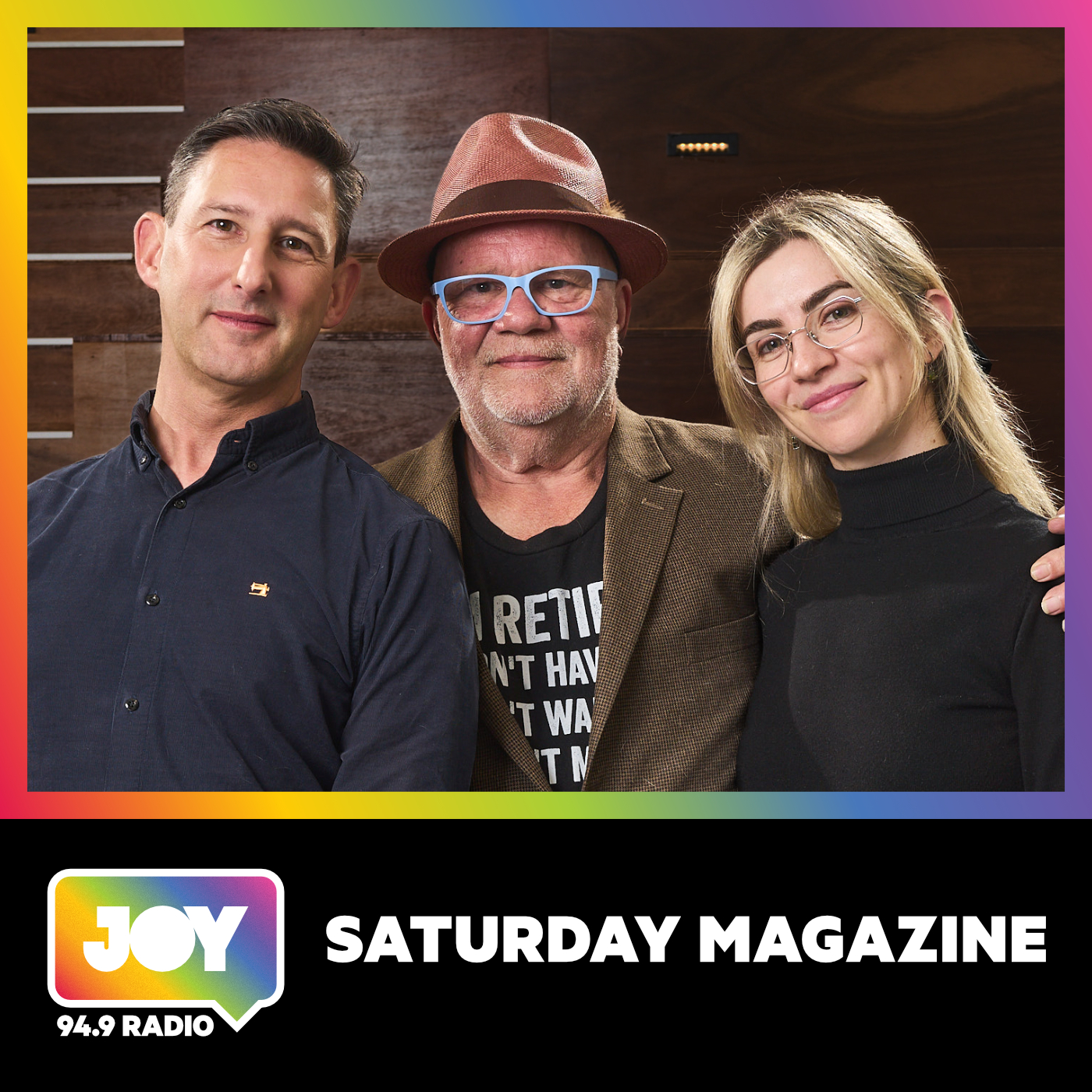
Macca and Nevena are joined live on air by Dr Bill Swannie, Senior Lecturer, Thomas More Law School, ACU; Recent MSO vs Latouff rulings and freedom of speech.
Recent court decisions involving the Melbourne Symphony Orchestra and broadcaster Antoinette Lattouf have
reignited debate about freedom of speech in Australian workplaces. On the surface, the two cases appear to
point in different directions, raising questions about what employees can say publicly, what employers can
regulate, and where the law now stands. Joining us is Dr Bill Swannie from Australian Catholic University,
whose recent analysis explores what these decisions mean for workplaces across Australia.
In August 2024, Gillham was performing in an Melbourne Symphony Orchestra recital. Introducing a piece of
music, he made statements that Israel had committed war crimes by targeting journalists in Gaza.
In response, MSO cancelled a performance by Gillham scheduled four days later and apologised by email to
audience members.
MSO later sought to require Gillham not to make a statement from the stage as a condition of reinstating the
performance. Gillham refused the condition and MSO cancelled the concert.
Gillham pursued MSO for unlawful discrimination, arguing it had acted against him because of his statements
about journalists killed in Gaza. But he lost. Justice Graham Hill found the MSO’s reasons for cancelling the
concert were not because of his political beliefs, but rather to “address the anticipated adverse impacts” of his
statements on the orchestra’s business and reputation.
Further, the court stated classical musicians cannot make statements on sensitive political or social issues from
the stage without approval from the host. They stated this was a custom in the profession and an implied term
in Gillham’s contract.
In the Lattouf case, the Federal Court found that the ABC unlawfully terminated Antoinette Lattouf's
employment after she shared a Human Rights Watch social media post about Gaza during a short-term
engagement. The Court concluded that the decision breached provisions of the Fair Work Act, including
protections against adverse action because of political opinion.
In his The Conversation article, Dr Swannie writes the following:
“Under this judgement, it seems classical musicians in Australia contracted to orchestras or other organisations
must now seek and be given approval before making statements on stage on “sensitive or political issues”.
It is unclear what topics fall in this category. For example, an Acknowledgement of Country is considered by
some people as sensitive or political. It is unclear whether comments on the environment or gender pay gaps
justify cancellation of performances or further adverse actions against an artist, musician or performer.
Ultimately, the discrepancy between the court’s findings on the Lattouf and Gillham cases means we must
await future decisions to clarify the balance between the freedom of artists, performers and musicians to
make statements on public stages, and protecting organisers’ commercial interests”
This ruling will impact how comfortable artists feel about sharing their political opinions on stage, or working
as contractors for arts organisations who don’t explicitly share their opinions.
Bill teaches and conducts research in many areas of law including privacy and media law, human rights, international law, constitutional law and intellectual property. He is an established researcher and author, having published articles in leading law journals in the areas of administrative law, human rights, media law and equal opportunity law. His articles have been cited by judges in judicial decisions and speeches. He is a member of the Australasian Law Teachers’ Association, Human Rights Teachers’ Network, and the Law Institute of Victoria.
The post Sat,18th, July 2026: Dr Bill Swannie, Senior Lecturer, Thomas More Law School, ACU; Recent MSO vs Latouff rulings and freedom of speech appeared first on Saturday Magazine.